In the heart of picturesque Čachtice, just a few steps from the famous Čachtice Castle, stands the Draškovič Manor — a historic gem that has reopened its doors to the public following a comprehensive restoration.
A modern museum you simply must experience
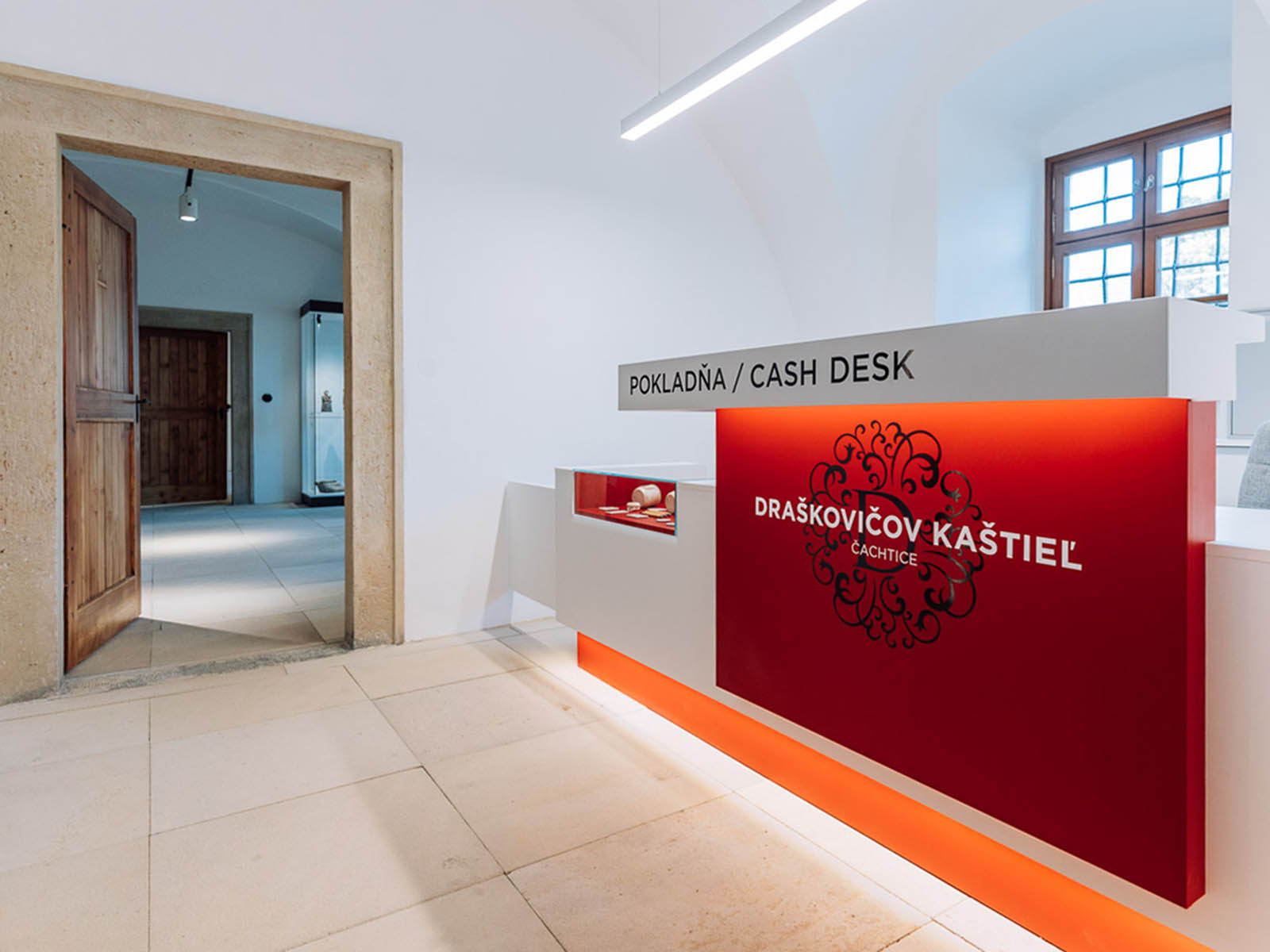
Explore engaging exhibitions across three floors
In the heart of picturesque Čachtice, just a few steps from the famous Čachtice Castle, stands the Manor House of Draškovič — a historic gem that has reopened its doors to the public following a comprehensive restoration. This architectural treasure from the late 17th century, named after the Croatian nobleman Mikuláš Draškovič, now serves as a modern museum and cultural centre.
The Manor House of Draškovič, once owned by prominent noble families such as the Forgách and Čenkay families, underwent a complete restoration between 2021 and 2024 thanks to grants from Norway, Iceland, and Liechtenstein. The result is a unique space where history blends with interactivity and a contemporary approach to exhibitions—ensuring an engaging experience even for the most demanding visitors.
The Manor House of Draškovič in Čachtice represents a newly restored modern museum that combines historical heritage with the latest technologies and a contemporary approach to presentation. Thanks to its sensitive restoration and interactive features, it offers visitors an engaging and vivid insight into the history of Čachtice and the wider region. The exhibitions are designed to present history in a clear, attractive, and experiential way, appealing both to the general public and to more discerning visitors.
The museum is open year-round from Tuesday to Sunday, offering a unique opportunity to discover a place where the past meets a modern experience.
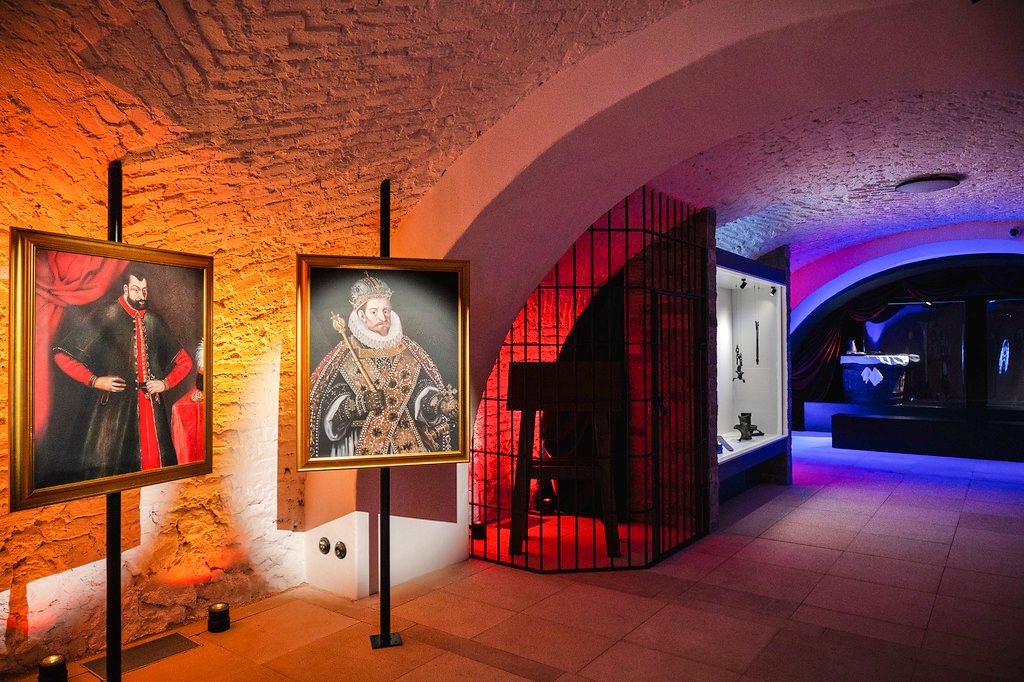
Elizabeth Báthory (Elizabeth Bathory, Erzsébet Báthory, or colloquially “Bátorička”, 1560–1614) is among the most renowned historical figures of Central Europe. Her life, unfolding during a period of profound social change in the Kingdom of Hungary, left a lasting imprint on history and continues to attract the attention of both scholars and the general public. Yet her life story is far richer and more complex than it is often portrayed in popular legends, novels, or the well-known film Bathory.
Countess Elizabeth Báthory, known as the “Blood Countess,” is associated with legends that have endured for centuries; yet contemporary museum interpretation fundamentally re-evaluates them. The modern museum in Čachtice presents a portrayal of this most famous noblewoman of the Kingdom of Hungary based on historically accurate interpretation—one that is narrated by Elizabeth Báthory herself through a “talking” portrait, offering every visitor to the Manor House of Draškovič the opportunity to seek a truthful account of the Lady of Čachtice.
Exhibitions that bring stories to life
One of the manor’s greatest attractions is its permanent exhibitions, spread across several floors. Each level explores a different layer of history and tells a different story, yet all are united by a strong emphasis on immersive experience and visitor engagement.
Cellar — The Legend of Elizabeth Báthory and the Liquid Secrets of Čachtice
The cellar of the manor naturally belongs to the darkest yet most well-known chapter of Čachtice’s history. The exhibition dedicated to Elizabeth Báthory has been presented with sensitivity, with a strong emphasis on historical context, a clear distinction between myth and documented fact, and an expert interpretation of the events.
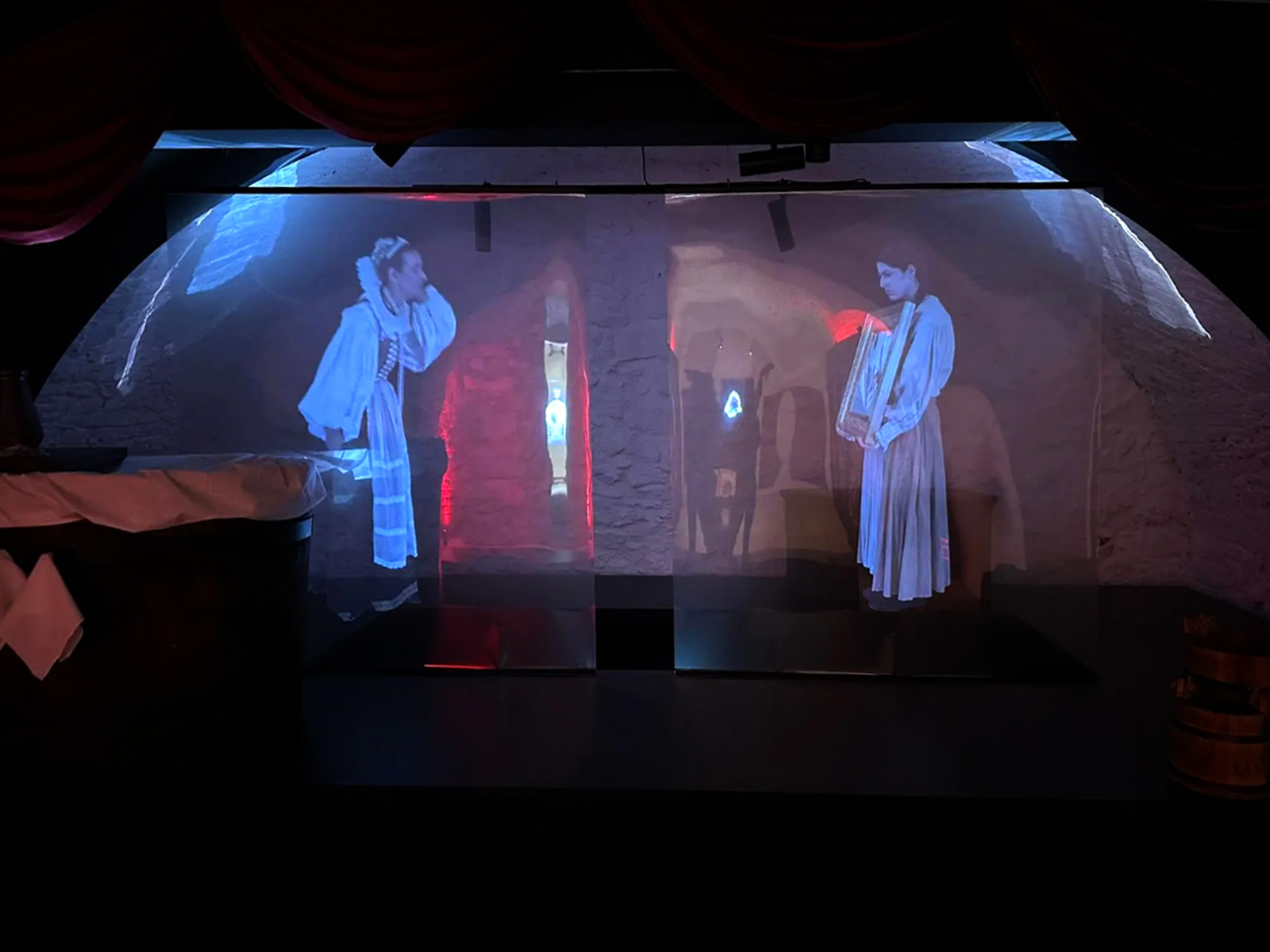
The space is defined by a “talking” portrait in which Elizabeth herself speaks to visitors, alongside a holographic theatre — a rare feature within Slovak museums. Through a visually striking narrative, visitors encounter the story of the Lady of Čachtice, the circumstances of her trial, and a question that still provokes debate today: was Elizabeth Báthory a notorious “blood countess,” or a victim of political machinations?
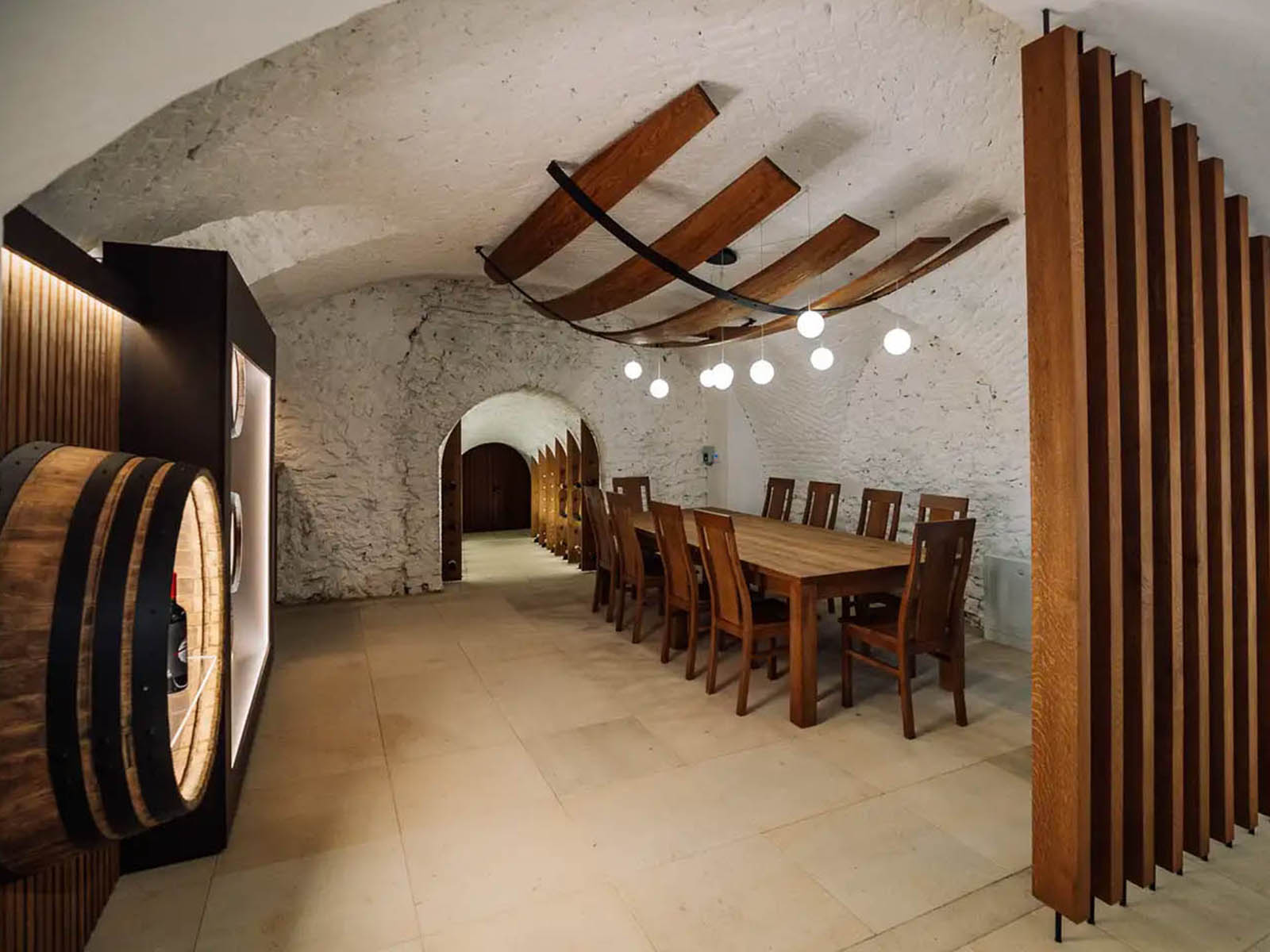
Within the unique original cellar spaces, there is also an exhibition dedicated to winemaking, which has a long-standing tradition in the vineyards of Čachtice. This is presented through an interactive wall focused on vine cultivation and wine production, highlighting the region’s rich winemaking heritage.
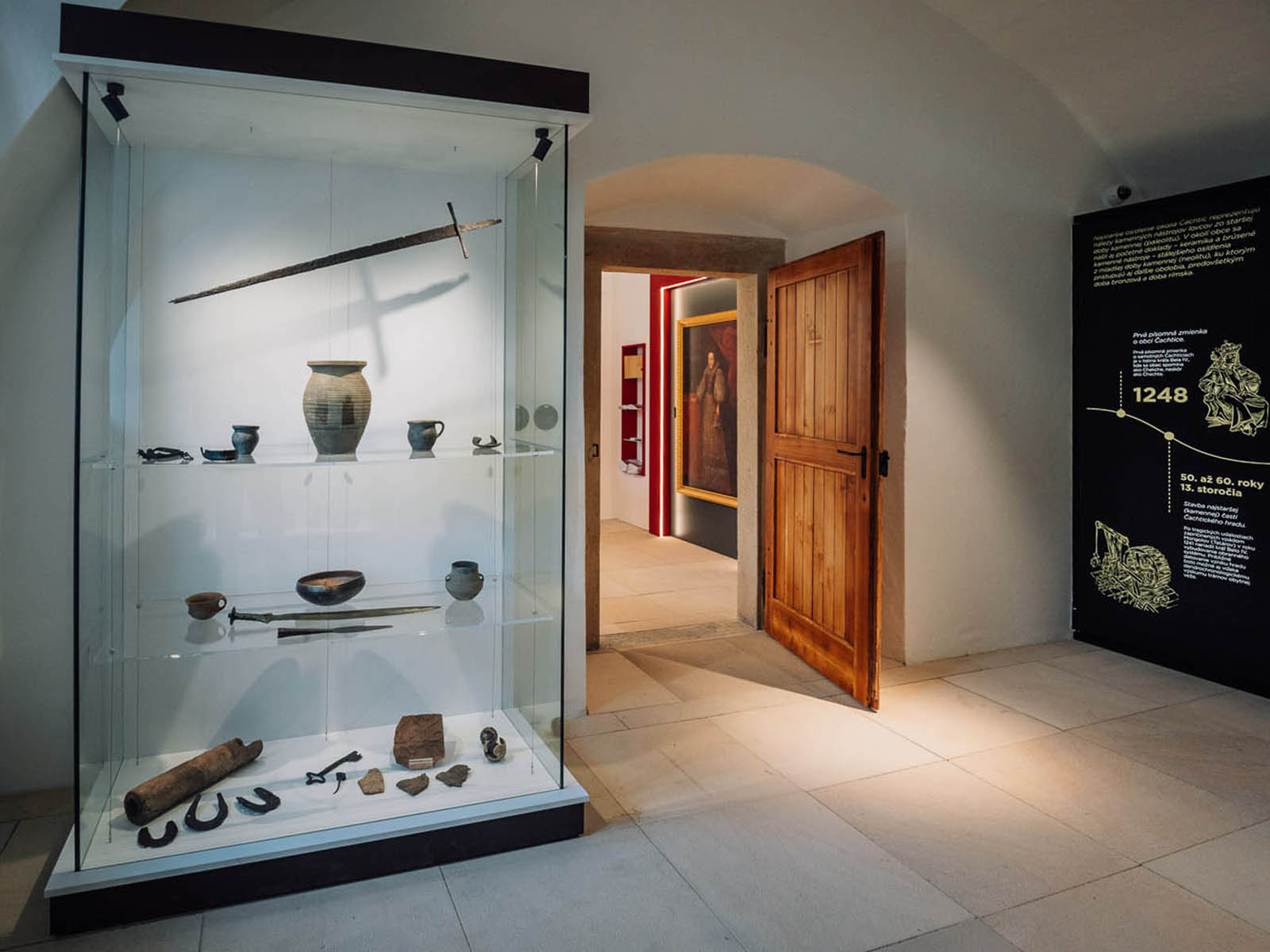
The Ground Floor — The History of the Region
The exhibition presents not only the history of Čachtice, but also the lives of the communities that shaped the region — including the Roma and the Habans — and commemorates significant events such as the fourth assembly of the Tatrín.
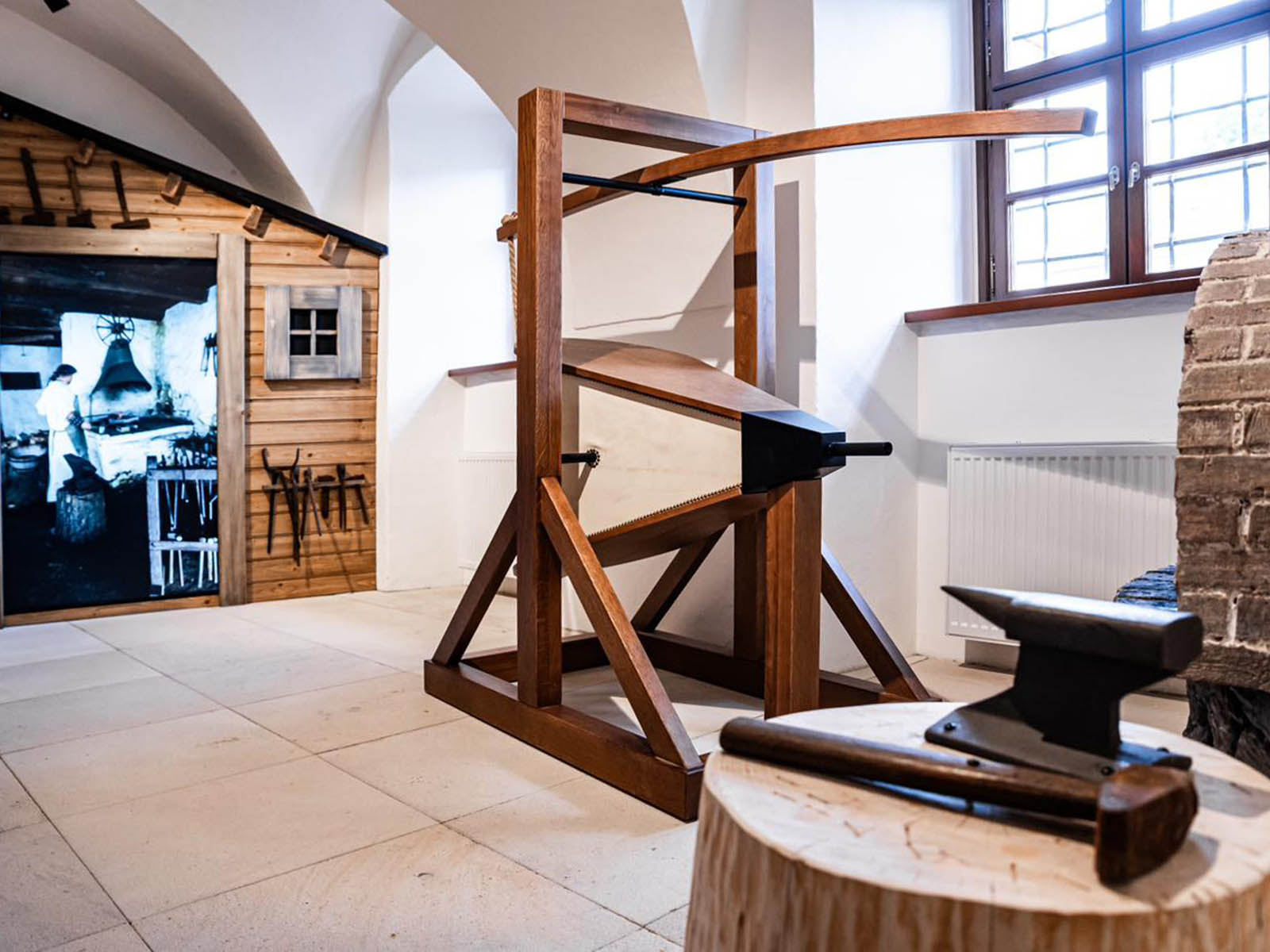
The exhibition on Roma culture presents the traditions, music, and everyday life of this community. A great attraction is the replica of a blacksmith’s workshop, where a blacksmith addresses visitors from a digital screen and draws them into a conversation about the craft. This feature is among the most photographed spots in the manor, demonstrating that modern technologies can be a powerful tool for bringing history to life.
The exhibition on Haban ceramics presents the unique craftsmanship of a religious community that left a distinctive mark on the region. Did you know, for example, that Haban pottery was never decorated with the colour red?
A landmark event in the history of Čachtice—and Slovakia—was the fourth assembly of the Tatrín society in 1847. At the Čachtice parsonage, leading figures of the Slovak national movement convened to debate the standardisation of the Slovak language. This key chapter of national history is brought to life through an immersive soundscape, placing visitors behind half-open doors as silent observers of a conversation between Ľudovít Štúr, Michal Miloslav Hodža, and Jozef Miloslav Hurban.
What’s On at the Manor House of Draškovič
Since its opening, the Manor House of Draškovič has gradually established itself as a vibrant cultural centre. Each season brings new events and programmes that engage with historical themes while also appealing to contemporary audiences
Thanks to its location, the Manor House of Draškovič is increasingly featured among recommended destinations “for trips around Trenčín,” whether for a day trip, a weekend stay, or as an ideal combination with a visit to Čachtice Castle.
First Floor — Daily Life in Past Centuries
On the first floor of the manor, visitors find themselves in an entirely different world — the world of the nobility, the social class that once owned the manor and lived their family lives within its walls. This way of life is also presented through an exhibition focused on the domestic culture of the aristocracy.
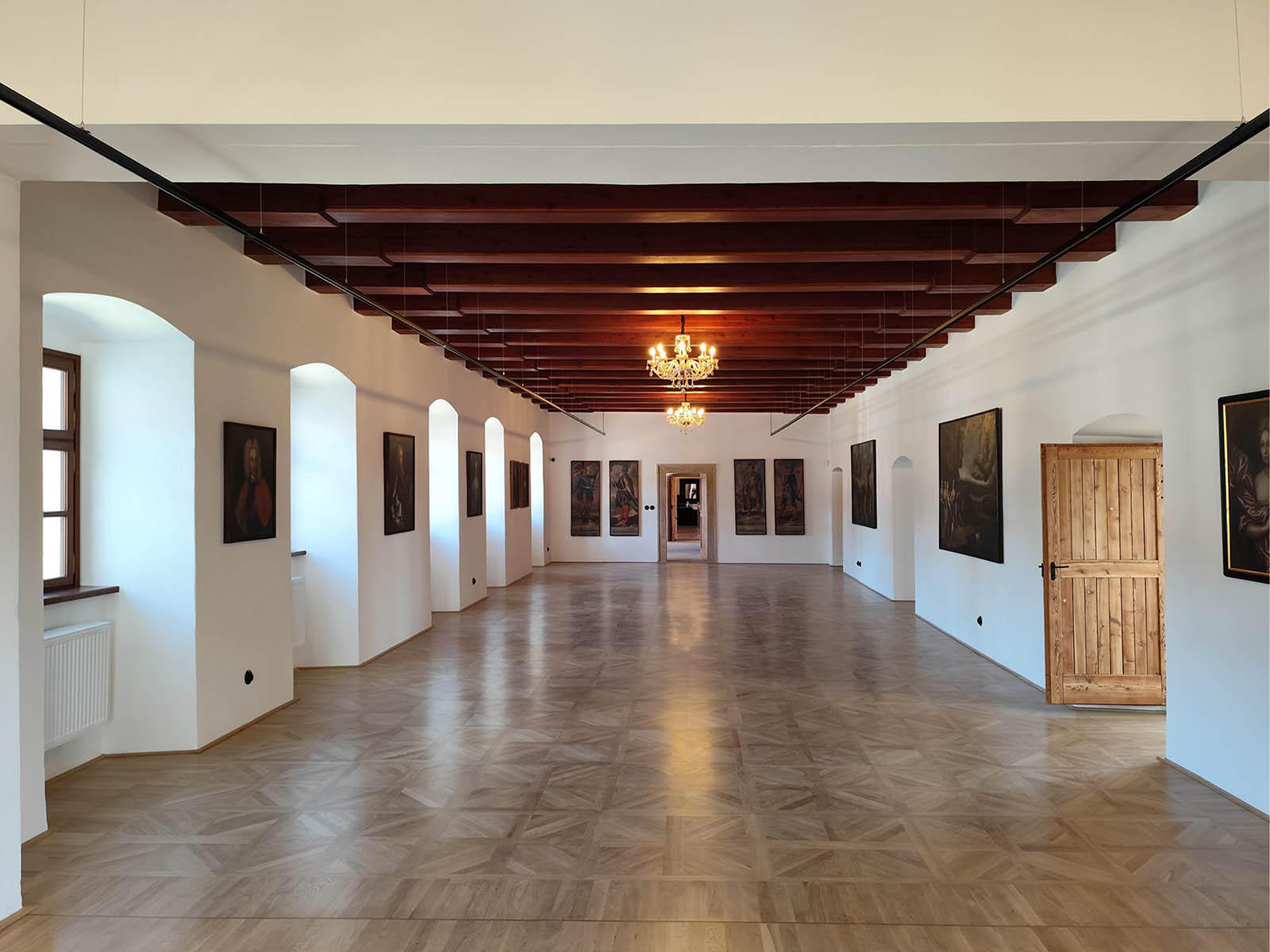
The picture gallery, located on the top floor of the left wing of the manor, presents the painting collections of the Trenčín Museum in Trenčín. This stately gallery also serves as a venue for weddings and conferences.
Visitors are also offered a glimpse into the living quarters of the nobility, allowing them to imagine what everyday life looked like for the privileged classes. The children’s room, music salon, and bedroom together create a vivid picture of the past.
In the music salon, visitors can step into the role of a conductor for a moment, while younger guests discover history through games and interactive elements, making the Manor House of Draškovič an ideal destination for a family trip—even on a rainy day.
The Manor Without a Guide — A Modern Museum Trend
One of the standout features, valued by both local and international visitors, is the option to explore the manor without a guide. With a clear navigation system, interactive media, and multilingual content, everyone can discover the exhibition at their own pace.
This concept significantly broadens the manor’s target audience—from individual visitors and families to school groups and international tourists seeking Slovak manor houses open throughout the entire season.